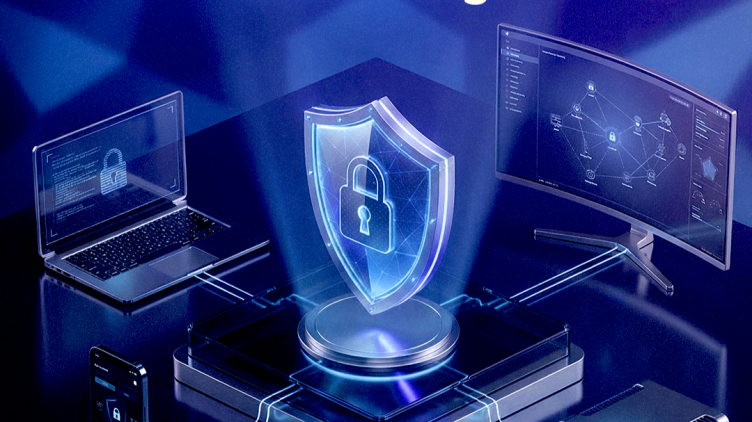
As organizations across the UAE continue their digital transformation journey, managing an increasingly diverse fleet of corporate devices has become more challenging than ever. Laptops, smartphones, tablets, kiosks, rugged devices, and IoT endpoints now form the backbone of modern business operations, but they also introduce new security, compliance, and operational risks.
Traditional endpoint management solutions are struggling to keep pace with today’s dynamic workplace. In 2026, forward-thinking UAE enterprises are embracing AI-powered Unified Endpoint Management (UEM) to gain complete visibility, strengthen security, and eliminate compliance gaps – all from a single intelligent platform.
The Modern Endpoint Challenge
Today’s workforce is no longer confined to a single office or a limited set of devices. Employees work remotely, travel frequently, and access business-critical applications from multiple endpoints throughout the day.
For IT teams, this creates several challenges:
- Limited visibility into every managed device
- Increasing cybersecurity threats targeting endpoints
- Manual compliance monitoring across thousands of devices
- Delayed software updates and patch management
- Rising operational costs due to fragmented management tools
Without a centralized approach, maintaining security and compliance quickly becomes both time-consuming and expensive.
Why Unified Endpoint Management Matters
Unified Endpoint Management brings every corporate endpoint into a single management platform. Instead of juggling multiple tools for Windows, macOS, Android, iOS, and other operating systems, IT administrators gain centralized control over the entire device ecosystem.
A modern UEM platform enables organizations to:
- Monitor all endpoints in real time
- Enforce consistent security policies
- Deploy applications remotely
- Automate operating system and software updates
- Track device health and inventory
- Secure lost or stolen devices instantly
The result is improved operational efficiency while reducing the complexity of endpoint administration.
The AI Advantage
Artificial Intelligence is transforming endpoint management from reactive to proactive.
Rather than waiting for administrators to identify issues manually, AI continuously analyzes device behavior, detects anomalies, predicts potential failures, and recommends corrective actions before they impact business operations.
AI-powered UEM platforms can:
- Detect unusual device activity
- Identify compliance violations automatically
- Prioritize security risks based on severity
- Recommend remediation actions
- Automate routine administrative tasks
- Generate intelligent operational insights
This allows IT teams to focus on strategic initiatives instead of repetitive maintenance.
Compliance Is Becoming a Business Priority
As regulatory expectations continue to evolve, compliance is no longer just an IT responsibility – it’s a business imperative.
Organizations handling sensitive customer information, financial records, healthcare data, or government information must demonstrate that devices remain secure and compliant at all times.
AI-powered UEM helps organizations:
- Continuously monitor compliance status
- Enforce password and encryption policies
- Verify device configurations
- Generate audit-ready reports
- Maintain complete asset visibility
With automated compliance monitoring, businesses can significantly reduce the risk of human error while simplifying internal and external audits.
Complete Visibility Across Every Endpoint
One of the greatest strengths of AI-powered UEM is complete visibility.
IT administrators can instantly view:
- Device inventory
- Security posture
- Installed applications
- Operating system versions
- Patch status
- Compliance health
- Device location (where applicable)
- Performance metrics
This single-pane-of-glass approach enables faster decision-making and more effective endpoint governance.
Supporting the Hybrid Workforce
Hybrid work has become the standard for many organizations across the UAE. Employees expect secure access to business resources regardless of where they work.
AI-powered UEM supports this model by enabling secure remote device management, over-the-air updates, remote troubleshooting, application deployment, and policy enforcement without requiring users to visit the office.
This flexibility improves employee productivity while maintaining enterprise-grade security.
Lower Operational Costs Through Automation
Managing thousands of endpoints manually requires significant IT resources.
By automating repetitive tasks such as software deployment, compliance checks, device enrollment, patch management, and policy enforcement, AI-powered UEM reduces administrative overhead and minimizes downtime.
Automation also accelerates incident response, allowing organizations to resolve issues before they disrupt business operations.
Why UAE Enterprises Are Investing in AI-Powered UEM in 2026
Businesses across the UAE are recognizing that endpoint management is no longer simply about device administration. It is a strategic investment in security, operational efficiency, compliance, and business continuity.
An AI-powered Unified Endpoint Management platform enables organizations to:
- Gain complete visibility across all enterprise devices
- Strengthen cybersecurity with intelligent threat detection
- Eliminate compliance gaps through continuous monitoring
- Simplify IT operations with automation
- Improve employee productivity in hybrid work environments
- Scale confidently as device ecosystems continue to grow
Final Thoughts
The future of endpoint management is intelligent, automated, and unified.
As organizations expand their digital infrastructure and embrace increasingly distributed workforces, AI-powered Unified Endpoint Management provides the visibility, control, and security required to stay ahead of evolving business and compliance demands.
For UAE enterprises looking to modernize IT operations in 2026, investing in an intelligent UEM platform is no longer just an operational upgrade – it’s a strategic business decision that enables secure growth, operational excellence, and long-term resilience.